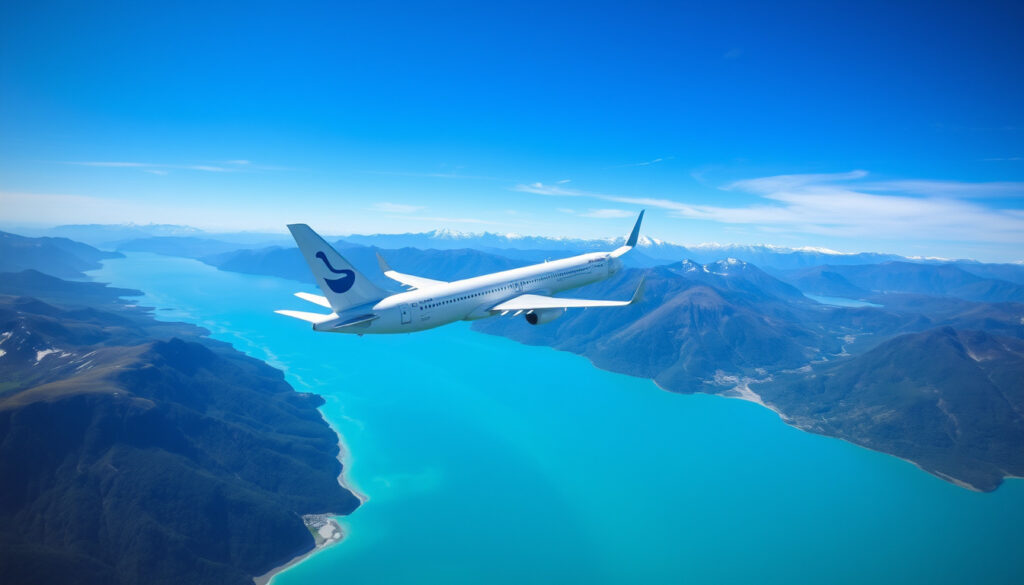
Flights to New Zealand – Cheapest Fares and Booking Tips
New Zealand remains one of the most sought-after long-haul destinations, offering everything from dramatic fjords to vibrant cultural hubs. For travellers planning a visit, understanding flight options, pricing patterns, and route details can make a significant difference in overall travel costs. This guide compiles current data on economy fares, airline options, and practical booking strategies to help readers navigate the process more effectively.
Whether departing from North America, Europe, or Australia, reaching New Zealand involves crossing significant distances. The good news is that competition among carriers has made fares more accessible than in previous years, with several airlines now offering direct services from major hubs. Below is a comprehensive breakdown of what travellers can expect when searching for flights to New Zealand.
What Are the Cheapest Flights to New Zealand?
Economy fares to New Zealand vary considerably depending on departure point, season, and how far in advance booking occurs. Recent searches indicate that the most affordable round-trip options from the United States start between $683 and $727 to Auckland, typically involving one to three stops. One-way fares range from $346 to $561, while the average round-trip price hovers around $1,073.
Key Insights for Finding Affordable Fares
- Auckland (AKL) consistently offers the lowest average fares at approximately $884 round-trip, making it the most cost-effective entry point into New Zealand.
- April, May, and August tend to produce the cheapest monthly fares, with April showing lows starting around $576.
- December represents the peak travel period, with fares rising significantly due to holiday demand.
- Flying with one to three stops can reduce costs by several hundred dollars compared to direct routes.
- Booking four to twelve weeks ahead typically yields savings of around 26% compared to last-minute arrangements.
- Remote airports such as New Plymouth can cost substantially more, with average fares around $3,755.
- Comparison tools like KAYAK and Skyscanner often surface deals from $639 round-trip when used with flexible date settings.
Flight Snapshot to New Zealand by Destination
| Destination | Cheapest Round-Trip (USD) | Stops | Example Route |
|---|---|---|---|
| Auckland (AKL) | $683–$727 | 2 | DFW–AKL |
| Christchurch (CHC) | $729 | 1 | Various USA origins |
| Wellington (WLG) | $827 | 1 | Various USA origins |
| Queenstown (ZQN) | $847–$888 | 2–3 | LAX via Fiji/Air NZ |
| Sydney to Auckland (SYD–AKL) | $200–$400 (est.) | 0 | Direct, ~3 hours |
How Long Is the Flight to New Zealand?
Flight duration depends heavily on departure location and whether a route includes connections. The average flight time to New Zealand stands at approximately 14 hours and 1 minute when accounting for all routes. Direct services from the United States West Coast, particularly from Los Angeles, San Francisco, and Houston, take around 12 to 13 hours non-stop to Auckland.
Flight Duration by Origin
From the East Coast of the United States, travellers should anticipate longer journey times due to additional connecting flights, often bringing total travel time to 18 hours or more. Travelers departing from London face the longest routes, with total journey times exceeding 20 hours when accounting for connections through Asia or the Middle East.
The shortest regional option available is the flight from Sydney to Auckland, which takes approximately three hours and operates multiple times daily with carriers including Air New Zealand and Qantas. For those already in Australia, this represents the most convenient access point to New Zealand.
When calculating total travel time, remember to factor in layover durations. A two-stop route with a short connection may sometimes get you to your destination faster than a journey with a longer layover.
What Airlines Fly to New Zealand?
Several carriers serve New Zealand routes, ranging from full-service flag carriers to budget-friendly regional operators. Understanding each airline’s offerings helps travellers make informed decisions based on price, comfort, and convenience.
Major Carriers and Route Coverage
Air New Zealand operates as the primary carrier for direct USA–New Zealand flights, servicing routes from Los Angeles (LAX), San Francisco (SFO), Houston (IAH), and Honolulu (HNL) directly into Auckland. The airline also serves Christchurch, Queenstown, and Wellington through domestic connections and codeshare arrangements. Air New Zealand has invested in fuel efficiency initiatives, though long-haul emissions remain a consideration for environmentally conscious travellers.
United Airlines offers direct service from San Francisco to Auckland, competing directly with Air New Zealand on this popular transpacific route. Fiji Airways provides another viable option through codeshare partnerships, often routing passengers through Fiji for connections to major New Zealand cities. Lufthansa also maintains popularity for indirect routes, particularly for travellers originating from Europe.
Regional Access from Australia
For travellers already in Australia, multiple daily services connect Sydney and other major cities to Auckland. Both Air New Zealand and Qantas operate frequent direct flights on this short-haul route, with journey times around three hours. This regional connectivity makes New Zealand an accessible destination for those combining travel across the Tasman Sea.
Prices fluctuate regularly based on demand, fuel costs, and seasonal factors. Running a search on Google Flights or aggregator sites before committing to a specific carrier often reveals the most competitive current fares.
What Is the Best Time to Book Flights to New Zealand?
Timing plays a crucial role in securing affordable fares to New Zealand. Industry data suggests that booking between four and twelve weeks in advance delivers optimal savings, with travellers reporting approximately 26% lower costs compared to last-minute bookings. Beyond the booking window, the month of travel significantly influences pricing.
Seasonal Pricing Patterns
April emerges as the most affordable month for travel, with economy fares starting around $576. May and August also offer relatively low pricing, with fares beginning near $675 and $707 respectively. Conversely, December represents the most expensive period due to holiday travel demand, with prices climbing substantially above off-season rates. July falls within the low season, offering another window for budget-conscious travellers to find better deals.
Tips for Securing the Best Fares
- Use flexible date search tools available through Skyscanner and Google Flights to identify the cheapest travel dates within a given period.
- Compare prices across multiple aggregators including KAYAK, Expedia, and Momondo to ensure comprehensive coverage.
- Consider flying into Auckland rather than smaller regional airports, as average fares to AKL run approximately $884 compared to significantly higher costs for remote destinations.
- Sign up for fare alerts from preferred booking platforms to receive notifications when prices drop for desired routes.
All pricing mentioned reflects economy-class round-trip fares from recent searches and is subject to change. Travellers should verify current rates directly with airlines or authorised booking platforms before making purchase decisions.
Booking Timeline for New Zealand Flights
Planning ahead not only saves money but also provides greater choice in flight times, seat selection, and seating class options. Below is a recommended timeline for securing flights to New Zealand.
- 6–12 months before departure: Research route options, compare airline prices, and set up fare alerts for your preferred destinations.
- 4–12 weeks before departure: Finalize booking to capture optimal savings, typically achieving 26% better rates than last-minute options.
- 3 months before departure: Check for flash sales or promotional fares that may appear outside the standard booking window.
- 2–4 weeks before departure: Verify check-in requirements, visa conditions, and ensure travel documents are current and valid.
- 24–48 hours before departure: Complete online check-in, confirm terminal information, and review any connection time requirements.
Flight Prices: What’s Certain vs Variable
Understanding which factors influence flight pricing helps travellers set realistic expectations and identify opportunities for savings. Some elements affecting fares remain relatively fixed, while others fluctuate regularly.
| Established Information | Variable Factors |
|---|---|
| Direct routes available from LAX, SFO, IAH to AKL only | Fuel surcharges and airport fees |
| Average flight time: 14 hours 1 minute | Demand-driven pricing spikes |
| Auckland consistently offers lowest average fares | Currency fluctuations affecting international pricing |
| Premium/business class starts from $6,550 (SFO–AKL) | Seasonal demand variations |
| No direct flights from UK; 20+ hours total via connections | Last-minute availability and pricing |
Flight Route Analysis and Tips
Each route to New Zealand presents distinct advantages and trade-offs. Direct flights offer convenience but often come at a premium, while connecting routes provide opportunities for savings but require additional travel time. Auckland serves as the primary international gateway, handling the largest volume of overseas arrivals and offering the most competitive pricing across all carrier options.
For travellers originating from Europe, indirect routes through Asian hub airports can occasionally produce better value than transpacific direct options. Those planning multi-city itineraries within New Zealand should consider domestic carrier options, as regional airports like Queenstown attract premium pricing due to limited competition on certain routes.
Regional access from Australia remains the most convenient option for those already on the continent, with multiple daily departures making spontaneous trips entirely feasible. Checking Perth Airport Arrivals can help travellers from Western Australia plan their journey to regional hubs.
Expert Sources and Data
Information compiled in this guide draws from established travel aggregators and airline sources. KAYAK provides regularly updated route pricing and carrier comparisons, while Skyscanner offers comprehensive international fare comparisons across multiple booking platforms. Air New Zealand serves as the primary source for direct route information and carrier-specific policies.
“Competition among carriers on transpacific routes has intensified in recent years, creating more accessible pricing for economy travellers than historically observed.” — Industry analysis from KAYAK route data
Additional verification of entry requirements, visa conditions, and travel advisories should be conducted through official government channels before finalising travel plans.
What’s Next: Planning Your New Zealand Trip
With flight logistics addressed, travellers should turn attention to visa requirements, travel insurance, and on-ground logistics. Citizens of the United States, United Kingdom, and Australia benefit from visa waiver arrangements allowing stays of three to six months, though travellers should verify current entry conditions through official immigration sources. For those seeking accommodation insights or regional travel planning, browsing resources on Pebbly Beach Campground can provide helpful context for coastal itinerary planning.
Prices and availability change frequently, and running a targeted search through Air New Zealand or comparison platforms remains the most reliable method for confirming current rates for specific travel dates. Thorough preparation ensures a smoother journey to one of the world’s most distinctive destinations.
Frequently Asked Questions
How far in advance should I book flights to New Zealand?
Booking four to twelve weeks ahead typically yields optimal savings, with approximately 26% better rates compared to last-minute arrangements. Earlier booking during sale periods can produce even better deals.
What documents do I need for flights to New Zealand?
Most visitors from Western countries need a valid passport. Citizens of the USA, UK, and Australia can enter under visa waiver programs for stays of three to six months. Check official immigration sources for current requirements.
Which New Zealand airport has the cheapest flights?
Auckland (AKL) consistently offers the lowest average fares at approximately $884 round-trip from the USA. Flying into smaller regional airports typically costs significantly more.
Are there direct flights to New Zealand from the UK?
No direct flights from the UK exist. Travellers from London typically route through Asia or the Middle East, with total journey times exceeding 20 hours.
What is the cheapest month to fly to New Zealand?
April tends to be the cheapest month, with fares starting around $576. May and August also offer relatively low pricing. December should be avoided due to peak holiday demand.
How long is the flight from Australia to New Zealand?
The direct flight from Sydney to Auckland takes approximately three hours. Multiple daily services operate between major Australian cities and New Zealand entry points.
What airlines offer direct flights to New Zealand?
Air New Zealand operates the primary direct services from Los Angeles, San Francisco, and Houston to Auckland. United Airlines also offers direct San Francisco–Auckland flights.
More related posts
 Pauly Shore: Biography, Health Update, Net Worth & Movies
 Middle East Map: 17 Countries, Flags, Cities & Facts
 James Norton: Partner, Health, Career & FAQs (2025)
 America Ferrera: Biography, Weight Loss Facts & Career
 Man City vs Tottenham Stats: Head-to-Head Record & Key Numbers
 Champions League Fixtures – 2024/25 Schedule and Results
 Bryce Courtenay: Books, Reading Order, and Controversies
 Han Jisung: Biography, Relationships, and Rap Comparisons