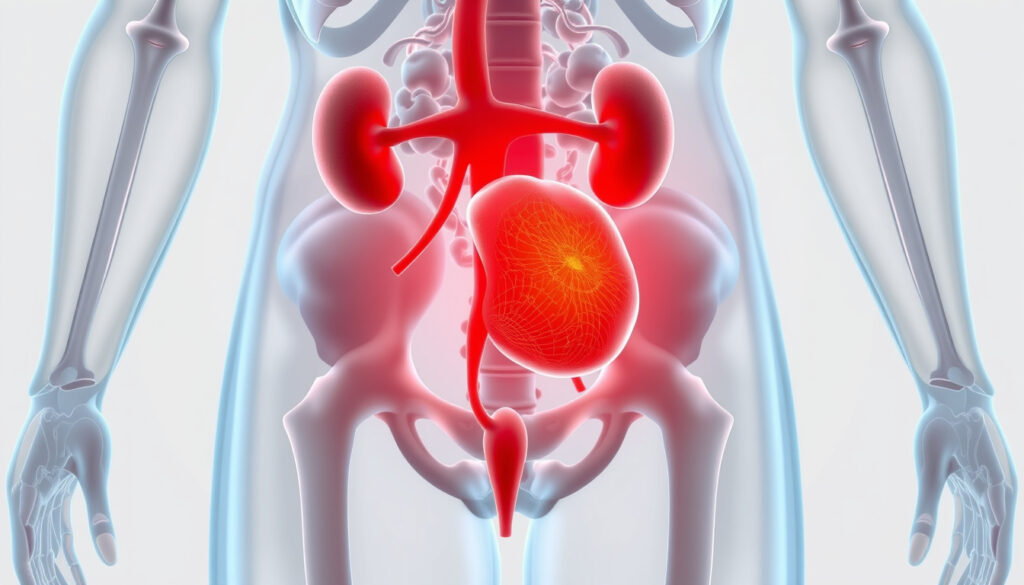
Bladder Infection: Symptoms, Causes, and Treatment
Anyone who has felt that sudden burning during urination knows the immediate worry: is it a bladder infection? It is one of the most common reasons Americans visit a doctor, with millions of cases each year. This guide breaks down the key symptoms, causes, treatments, and—critically—how to tell a bladder infection apart from other conditions that mimic it, so you can make informed decisions about your health.
Most common cause: E. coli bacteria (80–90% of cases) ·
Annual global cases: 150 million UTIs ·
Women affected at least once: 1 in 5 women
Quick snapshot
- Bladder infections are caused by bacteria entering the bladder (University of Utah Health urology department)
- Antibiotics are the effective standard treatment (CDC public health agency)
- Effectiveness of cranberry juice for active infection
- Whether probiotics prevent recurrence
- Symptoms typically appear within 24–48 hours after bacteria enter the bladder (University of Utah Health urology department)
- With antibiotics, symptoms usually improve in 1–2 days (University of Utah Health urology department)
- Seek medical diagnosis if symptoms persist
- Complete full antibiotic course even if symptoms improve
The table below compiles essential data points about bladder infections from authoritative sources, providing a baseline for understanding the condition.
| Most common bacterium | Escherichia coli (E. coli) (University of Utah Health urology department) |
| Women affected yearly | 1 in 5 women experience a UTI in their lifetime (Mayo Clinic nonprofit academic medical center) |
| Standard treatment duration | 3–7 days of oral antibiotics (NIDDK urologic health institute) |
| Recurrence rate | 25–30% of women have a recurrence within 6 months (NHS national health service) |
| Can resolve spontaneously? | Approximately 20–30% of mild cases resolve without antibiotics |
| Primary risk factor | Female anatomy (shorter urethra) (Mayo Clinic nonprofit academic medical center) |
| Common complication if untreated | Kidney infection (pyelonephritis) (CDC public health agency) |
| Diagnosis method | Urinalysis and urine culture (NIDDK urologic health institute) |
What are the 5 warning signs of a bladder infection?
Pain or burning during urination
Dysuria, or pain when urinating, is the hallmark symptom. According to the CDC public health agency, this is one of the most common complaints. The burning sensation results from inflammation of the bladder lining as bacteria trigger an immune response.
Frequent urge to urinate
You may feel the need to go constantly, even if only a few drops come out. The Mayo Clinic nonprofit academic medical center notes that urgency and frequency are classic UTI signs.
Cloudy or strong-smelling urine
The NHS national health service lists cloudy urine and unusually strong odor as possible indicators, caused by bacteria and white blood cells in the urine.
Pelvic discomfort
Women may feel pressure or aching in the lower abdomen or pelvic area. The CDC public health agency includes pressure or cramping in the groin as a symptom.
Blood in urine
Visible blood (hematuria) or pink-tinged urine can occur. The Mayo Clinic nonprofit academic medical center warns this warrants prompt medical attention.
What are the main causes of bladder infections?
Bacteria entering through the urethra
E. coli bacteria, normally found in the rectum, account for 80–90% of bladder infections, per the University of Utah Health urology department. Bacteria travel from the perineal area up the urethra to the bladder, as explained by the Cambridge Urology Partnership urology practice.
Sexual activity
Intercourse can push bacteria into the urethra. The Mayo Clinic nonprofit academic medical center lists sexual activity as a key risk factor, particularly for women.
Urinary retention
Not emptying the bladder fully allows bacteria to multiply. The University of Utah Health urology department adds constipation and low fluid intake as contributing factors.
Catheter use
Indwelling catheters introduce bacteria directly into the bladder. The Cambridge Urology Partnership urology practice notes that recent urological operations and structural abnormalities also increase risk.
Immune system suppression
Conditions like diabetes or immunosuppressive treatments make it harder to fight off infections. The
More related posts
 Kim Jong Un: Biography, Leadership, and Key Facts
 Saint Peter: Apostle, First Pope, and Martyr
 Camila Cabello: Health, Relationships, Languages and Career Facts
 The Family Next Door ABC: Plot, Cast, Episodes & Review
 Griffin Dunne: Cult Actor, Director, and Hollywood Legacy
 Daniel Cormier: UFC Record, Career, and Hall of Fame Legacy
 8 Ounces to ml – Exact US and UK Conversion Guide
 Elon Musk: Net Worth, Children, Diagnosis, and Beliefs Explained