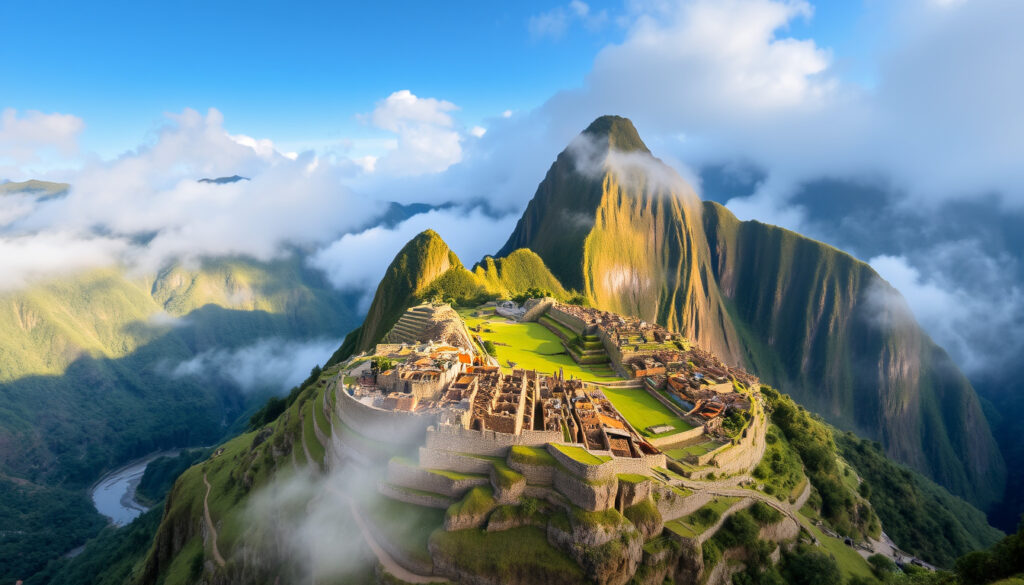
Machu Picchu Peru Travel Guide: Facts, Hiking & History
Few places on Earth capture the imagination quite like Machu Picchu. Perched 2,430 m above sea level in the Peruvian Andes, this 15th‑century Inca citadel is as much a puzzle as it is a postcard view. This guide pulls together verified history, practical hiking logistics, and the conservation realities that shape any visit to Machu Picchu Peru.
Altitude: 2,430 m (7,970 ft) · Built: c. 1450 · UNESCO World Heritage: 1983 · Location: Cusco Region, Peru · Annual Visitors: ~1.5 million (pre‑pandemic) · Rediscovered: 1911 by Hiram Bingham
Quick snapshot
- Altitude 2,430 m according to UNESCO World Heritage Centre (official listing)
- Built around 1450 during the reign of Inca emperor Pachacuti, per Peru Explorer (travel guide)
- Designated UNESCO World Heritage site in 1983 (UNESCO World Heritage Centre)
- Original purpose – royal estate or religious site? Scholarly debate continues, though UNESCO notes it is the “most significant tangible legacy of the Inca civilization” (UNESCO World Heritage Centre)
- Exact visitor numbers before modern counting – pre‑2019 estimates vary widely (UNESCO World Heritage Centre)
- c. 1450 – Construction by Pachacuti
- 1911 – Hiram Bingham brings international attention
- 1983 – UNESCO inscription
- 2007 – Voted one of the New Seven Wonders of the World
- Visitor caps and permit restrictions tighten to protect the site (Ian Taylor Trekking (trekking guide))
- Inca Trail is closed each February for maintenance (Ian Taylor Trekking (trekking guide))
- Official Peruvian body (Government of Peru tourism portal) advises booking months ahead
Seven key facts summarise the essentials for any traveler or history enthusiast:
| Label | Value |
|---|---|
| Name | Machu Picchu |
| Location | Cusco Region, Peru |
| Altitude | 2,430 m (7,970 ft) |
| Built | c. 1450 |
| Rediscovered | 1911 by Hiram Bingham |
| UNESCO Designation | 1983 |
| Annual Visitors | ~1.5 million (pre‑pandemic) |
Why is Machu Picchu so famous?
Machu Picchu’s fame rests on three pillars: its stunning setting, its status as a UNESCO World Heritage site, and its selection as one of the New Seven Wonders of the World. UNESCO World Heritage Centre (official listing) describes it as “among the greatest artistic, architectural, and land‑use achievements anywhere” and “the most significant tangible legacy of the Inca civilization.”
What makes Machu Picchu a UNESCO World Heritage site?
In 1983, UNESCO inscribed the site under cultural criteria (iii) and (vi) – criteria that recognise outstanding universal value. The UNESCO World Heritage Centre (official listing) states that the property, named the Historic Sanctuary of Machu Picchu, also protects the surrounding tropical mountain forest ecosystem. The site stands 2,430 m above sea level at the meeting point of the Peruvian Andes and the Amazon Basin.
Why is it one of the New Seven Wonders of the World?
In a global poll organised by the New7Wonders Foundation, Machu Picchu was voted one of the New Seven Wonders of the World in 2007. While the poll was not an official UNESCO designation, it cemented the citadel’s place in popular culture. Peru Explorer (travel guide) notes that this honour, combined with the UNESCO listing, makes Machu Picchu a bucket‑list destination for millions.
The dual recognition – UNESCO official heritage plus global popular vote – means the site attracts both scholarly attention and mass tourism. The challenge: balancing preservation with accessibility.
How long does it take to climb up Machu Picchu?
The short answer: it depends entirely on the route you choose. The most popular option – the Classic Inca Trail – is a four‑day trek. But there are shorter alternatives that can get you to the citadel in a day.
What are the different routes to reach Machu Picchu?
- Classic Inca Trail: 4 days / 3 nights; covers approximately 26 miles (42 km) with a highest pass of 4,215 m (13,828 ft) – Dead Woman’s Pass, according to Ian Taylor Trekking (trekking guide).
- Short Inca Trail: 2 days / 1 night; a condensed version for those with limited time.
- Train + bus: From Cusco, take a train to Aguas Calientes, then a 25‑minute bus ride up to the entrance. No hiking required.
How long is the Inca Trail hike?
Ian Taylor Trekking (trekking guide) reports the Classic Inca Trail is approximately 42 km (26 miles). Most trekkers spend four days walking an average of 6–8 hours per day. Permits are capped at 500 per day (including guides, porters, and cooks), and the trail is closed every February for maintenance.
Can you climb Huayna Picchu?
Yes – the iconic peak that looms behind the classic postcard photo of Machu Picchu. The climb takes an additional 2–3 hours and is steep. Permits are limited and must be booked separately. Many travel guides, such as Peru For Less (travel guide), warn that it is not for those with a fear of heights.
Most visitors underestimate the altitude. Even the short bus ride from Aguas Calientes (2,040 m) to the citadel (2,430 m) can trigger breathlessness. Acclimatisation in Cusco (3,399 m) for at least two days is strongly advised.
What are 5 facts about Machu Picchu?
These five facts come from a mix of official UNESCO records and travel literature. Each is verifiable from primary or secondary sources.
How high is Machu Picchu?
UNESCO records the site’s altitude as 2,430 m (7,970 ft) above sea level. The UNESCO World Heritage Centre (official listing) states it is situated in a tropical mountain forest environment.
What is the architectural significance of Machu Picchu?
The citadel was built using dry‑stone construction without mortar. Stones are cut so precisely that they fit together without binding material. This technique, known as ashlar, is characteristic of Inca architecture and has allowed the structures to withstand centuries of earthquakes. UNESCO describes it as “among the greatest artistic, architectural, and land‑use achievements anywhere.”
How was Machu Picchu rediscovered?
In 1911, American historian Hiram Bingham, guided by local farmers, reached the overgrown citadel. His subsequent publications and National Geographic articles brought international attention. Though local people knew of the site, Bingham is credited with introducing it to the world.
How large is the site?
The Historic Sanctuary of Machu Picchu covers approximately 80,000 acres (32,592 hectares). This protected area includes not only the citadel but also the surrounding cloud forest, which is home to rare species such as the spectacled bear and the cock‑of‑the‑rock.
Where is Machu Picchu located?
It lies in the Eastern Cordillera of southern Peru, in the Cusco Region, about 80 km (50 miles) northwest of Cusco city. The landscape is a dramatic meeting point between the high Andes and the Amazon Basin, as described by UNESCO World Heritage Centre (official listing).
Can a beginner hike Machu Picchu?
Yes, but with careful planning. The Classic Inca Trail is widely rated as moderate to challenging, but there are alternative ways to reach the citadel that require no previous trekking experience.
What is the difficulty level of the Inca Trail?
Ian Taylor Trekking (trekking guide) describes the Classic Inca Trail as “moderate to challenging,” primarily due to the high altitude and steep ascents. The highest point, Dead Woman’s Pass, sits at 4,215 m.
What fitness level is required?
You do not need to be an athlete, but you should be comfortable walking 6–8 hours per day on uneven terrain. Altitude is the main factor: fatigue, headaches, and shortness of breath are common. Acclimatisation in Cusco for at least two days is recommended.
Are there easier alternatives like the train?
Absolutely. Taking the train from Cusco or Ollantaytambo to Aguas Calientes, followed by a short bus ride, is the most accessible way to see Machu Picchu. No hiking is involved. This option is popular with families, older travelers, and anyone short on time.
Altitude sickness (soroche) is real. Symptoms include headache, fatigue, and nausea. Peru For Less (travel guide) recommends staying hydrated, avoiding alcohol, and ascending slowly. If symptoms worsen, descend immediately.
What happened in 1983 in Machu Picchu?
In 1983, Machu Picchu was inscribed on the UNESCO World Heritage list, cementing its status as a site of “outstanding universal value.” This designation is the single most important event in the modern history of the citadel.
Why was Machu Picchu designated a UNESCO site?
UNESCO recognised the property under cultural criteria (iii) – bearing a unique testimony to a civilisation – and (vi) – being directly associated with living traditions and ideas. The UNESCO World Heritage Centre (official listing) explains that the Historic Sanctuary of Machu Picchu is the most significant tangible legacy of the Inca civilisation.
What are the criteria for UNESCO listing?
To be listed, a site must meet at least one of ten selection criteria. Machu Picchu met two:
(iii): Bear a unique or exceptional testimony to a cultural tradition or civilisation.
(vi): Be directly or tangibly associated with events or living traditions, with ideas, or with beliefs of outstanding universal significance.
The implication: UNESCO’s decision was not just about the stones but about the cultural and spiritual value of the site to the descendants of the Inca and to humanity.
Timeline signal
- c. 1450 – Construction of Machu Picchu by Inca emperor Pachacuti. Peru Explorer (travel guide)
- 1532 – Spanish conquest; Machu Picchu abandoned. (General historical consensus; see UNESCO World Heritage Centre for context)
- 1911 – Hiram Bingham brings international attention. Peru Explorer (travel guide)
- 1983 – Designated UNESCO World Heritage site. UNESCO World Heritage Centre
- 2007 – Voted one of the New Seven Wonders of the World. Peru Explorer (travel guide)
Confirmed facts vs. what remains unclear
Confirmed facts
- Built by Inca emperor Pachacuti (c. 1450) – Peru Explorer
- UNESCO designation in 1983 – UNESCO World Heritage Centre
- Altitude 2,430 m – UNESCO World Heritage Centre
- Classic Inca Trail length ~42 km – Ian Taylor Trekking
- Trail closed each February – Ian Taylor Trekking
What’s unclear
- Original purpose (royal estate vs. religious site) – debated among historians
- Exact visitor numbers before modern counting – estimates vary
- Whether all parts of the site are fully explored – some structures remain buried by vegetation
Voices on Machu Picchu
Machu Picchu stands as among the greatest artistic, architectural, and land-use achievements anywhere and the most significant tangible legacy of the Inca civilization.
– UNESCO World Heritage Centre (official listing)
Inca Trail permits are capped at 500 per day including guides, porters, and cooks, so you need to book many months ahead.
– Ian Taylor Trekking (trekking guide)
What this means for your visit
The Machu Picchu Peru experience is a blend of ancient wonder and modern logistics. The site’s UNESCO status and global fame ensure crowds, tight regulations, and the need for advance planning. For the average traveler, the clear recommendation is: book your permits as early as possible – ideally six months for the Inca Trail – and spend at least two days in Cusco before heading up. For those with limited time or fitness, the train‑and‑bus option is perfectly rewarding. The trade‑off is simple: convenience means forfeiting the thrill of arriving through the Sun Gate on foot. Either way, the citadel delivers.
happygringotours.com, alpacaexpeditions.com, machupicchu.org
Frequently asked questions
Do I need a visa to visit Peru?
Many nationalities (including US, UK, Canada, Australia, and EU countries) do not require a visa for tourism stays up to 90 days. Check with the Peruvian immigration authority for your country.
What is the best time of year to visit Machu Picchu?
The dry season (May to September) offers the best weather – sunny days, less rain, and clearer views. The rainy season (October to April) can mean muddy trails and foggy mornings, but the landscape is greener.
How much does it cost to enter Machu Picchu?
As of 2025, the general entry fee for foreign adults is approximately 152 Peruvian soles (about $40 USD). Prices vary by route (e.g., Circuit 1 or 2) and whether you include Huayna Picchu. Check the official Government of Peru tourism portal.
Is it safe to visit Machu Picchu?
Yes – the site is well patrolled and receives millions of visitors each year. The main risks are altitude sickness, sun exposure, and minor theft in crowded areas. Standard travel precautions apply.
What should I pack for a trip to Machu Picchu?
Essentials: comfortable hiking shoes, layers (warm by day, cool by night), rain jacket (even in dry season), sunscreen, hat, water bottle, insect repellent, and your passport. No drones or trekking poles with metal tips allowed on the Inca Trail.
Can I climb Huayna Picchu?
Yes, but permits are limited and often sell out weeks in advance. The climb is steep and takes 2–3 hours round trip. Book through the official portal.
Are there bathrooms at the site?
Yes, there are public bathrooms at the entrance and inside the citadel. However, they charge a small fee (about 1–2 soles) and may not have paper. Bring your own toilet paper and hand sanitiser.
How do I prevent altitude sickness?
Ascend slowly, spend two days in Cusco first, drink plenty of water, avoid alcohol, eat light meals, and consider coca tea (traditional and legal locally). If symptoms worsen, descend to a lower altitude. Consult a doctor before travel.
More related posts
 Richard Ayoade Biography: Family, Movies & Net Worth
 Correa Alba Growing Guide: How to Grow White Correa
 What Is Standard Deviation – Definition, Formula and Examples
 Is the NYT Mini No Longer Free? Access, Locked, and How to Play
 Ethan Strange not playing? Injury, father John, ADHD story
 Alan Rickman: Cause of Death, Life, Legacy, and Tributes
 HSC Past Papers – Official Free Downloads by Subject and Year
 Jennette McCurdy Now: What Happened to the iCarly Star